







Search Results for: quality control controversy
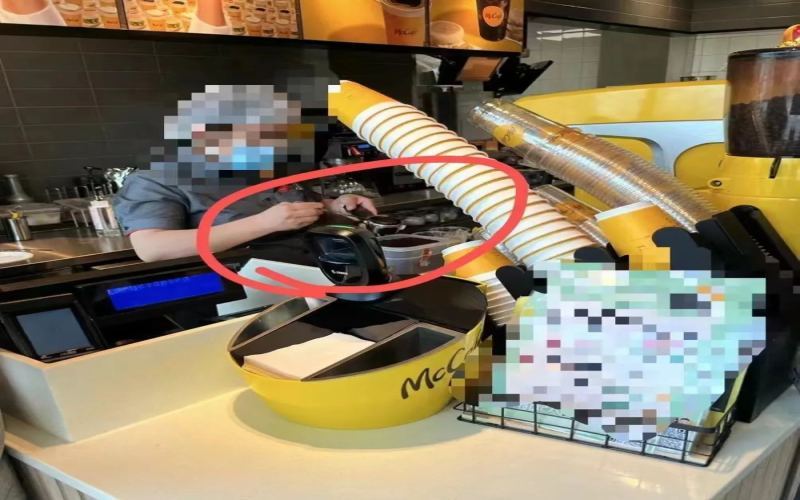
McDonald's McCafé outlets accused of using pre-ground coffee powder, staff role changes spark quality control controversy
McDonald's launch of a 15-yuan freshly ground coffee breakfast combo has attracted many consumers, but recently some customers exposed that certain locations use pre-ground coffee powder to make coffee, which does not match the brand's advertised freshly ground positioning. This phenomenon has sparked widespread discussion. Employees revealed that McDonald's has eliminated the dedicated barista position, and all staff members are required to learn coffee preparation. However, due to insufficient training and the difficulty of operating the equipment, the quality of the output varies greatly. Consumers expect a stable, high-value coffee experience, not a game of chance. [more…]
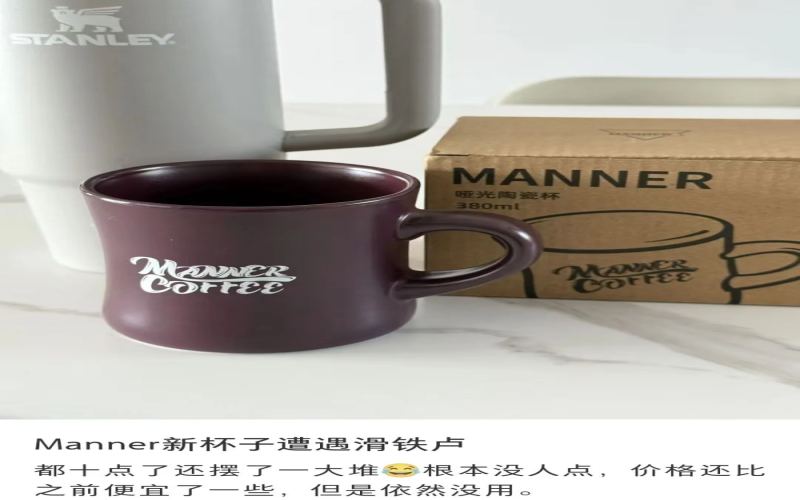
Manner Ceramic Cup Cracking with Hot Water Controversy: New Merchandise Quality Control Questioned, Consumers Call for Quality Assurance
Manner recently launched a two-cup set that comes with a matte ceramic mug, but it has sparked widespread discussion due to issues such as water seeping from the bottom and the body cracking after hot water is poured in. Many consumers have reported on social media that this mug, which is claimed to be microwave- and dishwasher-safe, actually cracked suddenly during use, which is worrying. Store employees were even asked to remind customers not to fill it with overly hot liquids, a move that some users mocked with, "A ceramic mug that can't hold hot coffee—doesn't Manner find itself hilarious?" At the same time, some stores still have plenty of stock, in contrast to the previous scenes of being snapped up completely. Is it poor aesthetics, declining quality control, or safety concerns that have put off mug enthusiasts? This article takes you through the details. [more…]
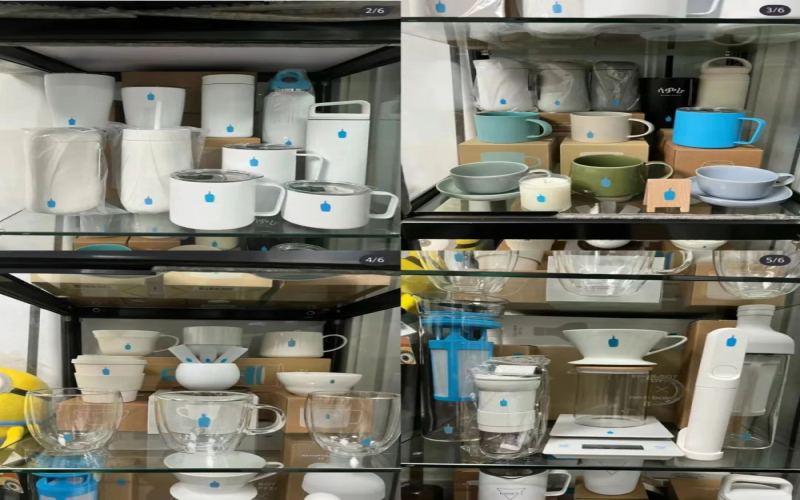
Blue Bottle Coffee's limited-edition green cup quality control fails: Controversy over hand-glazing and differences in cup-bottom markings in China spark heated discussion
Blue Bottle Coffee recently launched a 2023 holiday limited-edition pine green mug in Japan, which quickly became a hit in collector circles thanks to its high aesthetic appeal. After the China region officially announced its release on November 5, the mini-program sold out instantly, with many enthusiasts going so far as to use international proxy shopping services or visit physical stores just to get one. However, when the mugs arrived after crossing the ocean, many consumers discovered flaws such as uneven glaze and bumpy walls, and customer service's response citing "artisan handmade" further sparked skepticism. In addition, the China version only has "Made in Japan" printed on the bottom, creating a gap compared with the complete information on the Japanese version. Even more frustrating, some online orders arrived with the mug shattered upon opening due to flimsy packaging. Front Street Coffee has also been following this incident, and this article will provide a complete rundown of the Blue Bottle green mug's journey from hot demand to backlash, offering a reference for coffee gear enthusiasts. [more…]
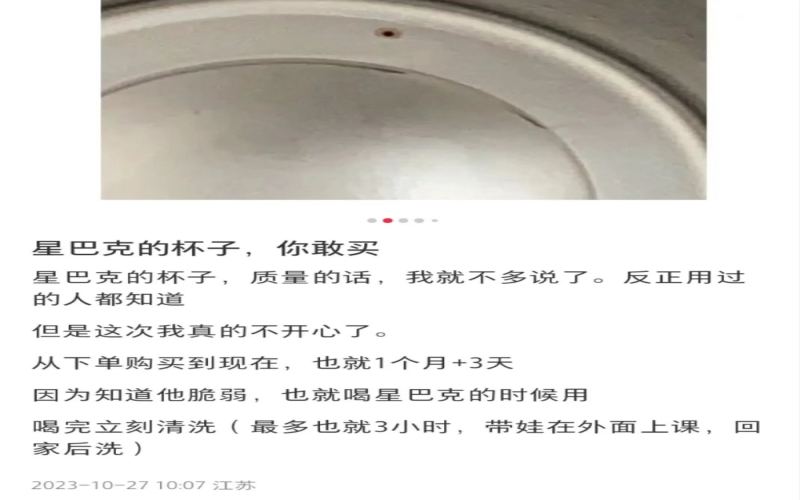
Rust Spots Found in Starbucks Stainless Steel Insulated Tumbler's Interior Spark Quality Controversy, Drawing Attention to Consumer After-Sales Rights Protection
It is no longer news that chain coffee brands sell merchandise. Products such as cups, pins, and canvas bags can not only increase revenue but also cultivate fan loyalty. However, once merchandise has quality problems, after-sales disputes follow one after another. Recently, a netizen posted that the bottom of the inner liner of a stainless steel insulated cup they bought from Starbucks had black rust spots, and when they asked the official side for a replacement, they were refused on the grounds that it was "beyond the after-sales time limit." The post resonated with a large number of consumers. Some complained that quality control was worrying, while others believed that the way it was used might be the key. Three days after the incident gained traction, the blogger updated the progress, saying that Starbucks had agreed to replace it. Who is actually responsible in this dispute? And how should brands balance the appearance and quality of merchandise? [more…]
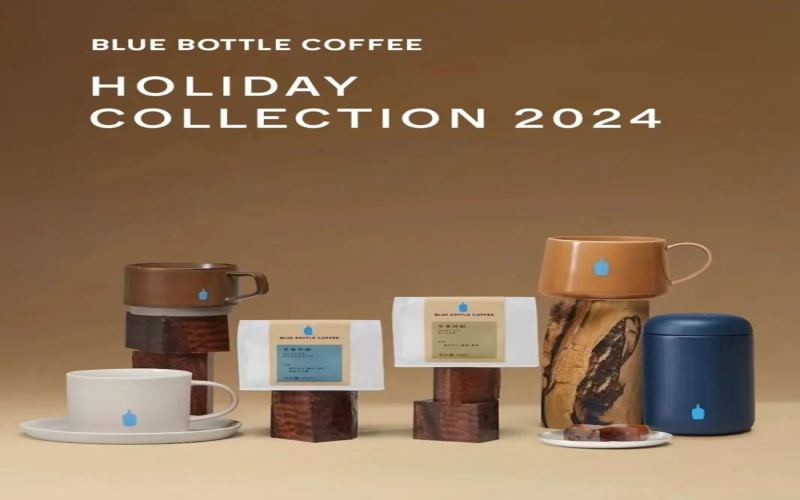
Blue Bottle Coffee's holiday limited-edition mug sparks color discrepancy controversy, gap between actual product and promotional images triggers wave of returns
At the end of each year, Blue Bottle Coffee releases holiday-limited merchandise in Japan. This year's theme is "Delicious Gifts," featuring items such as the caramel-colored Kiyosumi Shirakawa cup and the dark caramel Kinto ceramic mug. However, after the products went on sale, many consumers found a noticeable color difference between the actual items and the official promotional images—the rich caramel color shown in the ads turned into a pale milk-tea shade once in hand. In addition, quality-control issues such as crooked logos, flaws on the cup body, and uneven coloring appeared frequently, triggering a flood of complaints and returns. The official explanation attributed the color discrepancy to the hand-glazing process and the influence of lighting during photography, but the controversy continues to intensify. [more…]

Luckin Coffee Opens 15 New Stores in Xinjiang and Tibet on the Same Day, Pricing and After-Sales Controversies Emerge Behind the Order Surge
On May 20, Luckin opened 15 directly operated stores simultaneously in Urumqi and Lhasa, announcing that the brand now covers all provinces nationwide. On opening day, 11 Urumqi stores and 4 Lhasa stores saw huge crowds, with some stores having wait times of over three hours for order pickup, and limited-edition cup sleeves and paper bags quickly sold out. However, alongside the high popularity came a string of complaints: severe delivery delays, inconsistent prices between third-party platforms and the mini-program, orders that could not be refunded, and even customers being removed from corporate group chats and blocked for speaking in group chats. The brand underestimated local consumer enthusiasm and lacked sufficient response measures, putting service and quality control under pressure. Based on the experience of brands like Front Street entering Xinjiang, a booming opening in a new market is not surprising, but how to balance traffic and experience remains an issue Luckin needs to address. [more…]
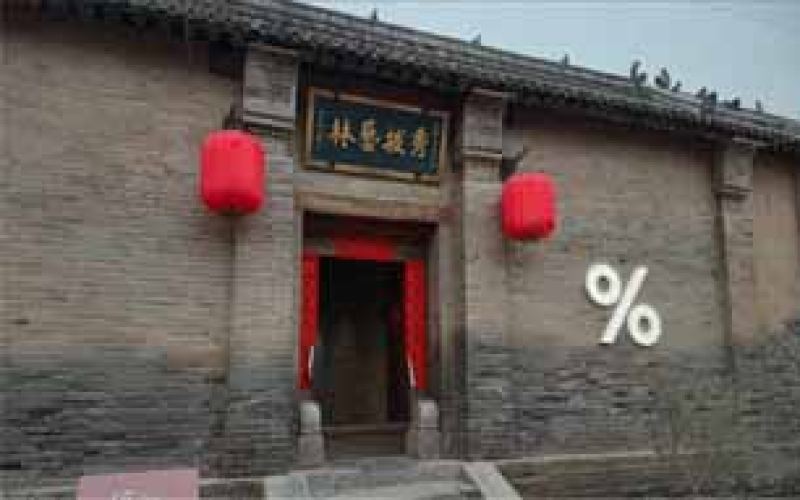
%Arabica's first Henan store opens in a Qing Dynasty ancient residence in Weipo Village, Luoyang; Spring Festival sales surge sparks controversy over quality and experience
As the Spring Festival approaches, the chain coffee brand %Arabica announced the opening of its first store in Henan, but unexpectedly, this new store did not land in a shopping mall in the provincial capital Zhengzhou, but instead established itself in a Qing Dynasty ancient residential courtyard near Weipo Village near Luoyang. The strong contrast between the ancient architecture and the modern minimalist decor quickly attracted a large number of coffee enthusiasts to drive over and visit, with foot traffic packed to capacity during the Spring Festival. However, the ensuing issues of excessively long wait times, chaotic order inside the store, and lattes not being made with latte art also sparked controversy. Some netizens pointed out that the store is actually a pop-up shop and is expected to close in May this year, suggesting that people visit during off-peak times. [more…]
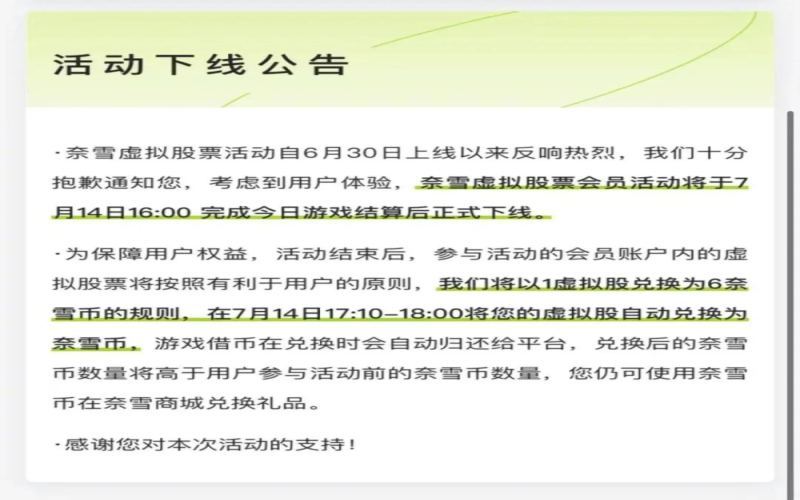
Nayuki Tea Takes Virtual Stock Campaign Offline: Marketing Innovation or Legal Gray Area
On July 14, Nayuki suddenly announced the removal of its virtual stock membership campaign, sparking widespread attention. The campaign allowed users to earn Nayuki coins through purchases and to buy and sell virtual stocks linked to the real share price, even supporting leveraged trading. Within just hours of launch, it was mired in controversy, with netizens questioning its legality. Industry experts pointed out that Nayuki coins are essentially consumption points and have not yet crossed legal red lines, but the model is aggressive and should not be simply imitated. At the same time, Nayuki's frequent food safety issues have also led consumers to question its marketing strategy. This article will sort out the course of the incident, the legal controversy, and the brand's hidden concerns. [more…]
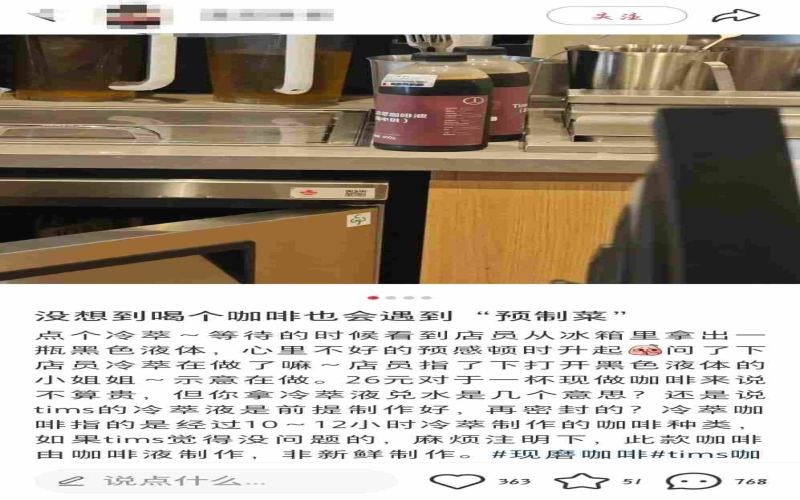
Chain coffee brands' cold brew production methods spark controversy: Is it reasonable for stores to use pre-made concentrate?
Recently, a post about Tims stores using pre-made espresso concentrate to make cold brew coffee sparked heated discussion on social media. Customers saw staff take a black liquid out of the refrigerator and pour it directly into a cup, questioning whether it was really freshly made. However, cold brew coffee itself requires soaking for more than 8 hours in advance, so does this count as "pre-made"? And does a store using frozen concentrate uniformly delivered from a factory meet consumers' expectations for cold brew? Supporters believe this approach ensures consistent quality, while opponents feel it is no different from a convenience store beverage. This article will review the course of the incident, netizens' opinions, and explore the production standards and industry status of cold brew coffee. Front Street Coffee reminds us that no matter the method, the key to a good cup of coffee lies in the control of ingredients and craftsmanship. [more…]
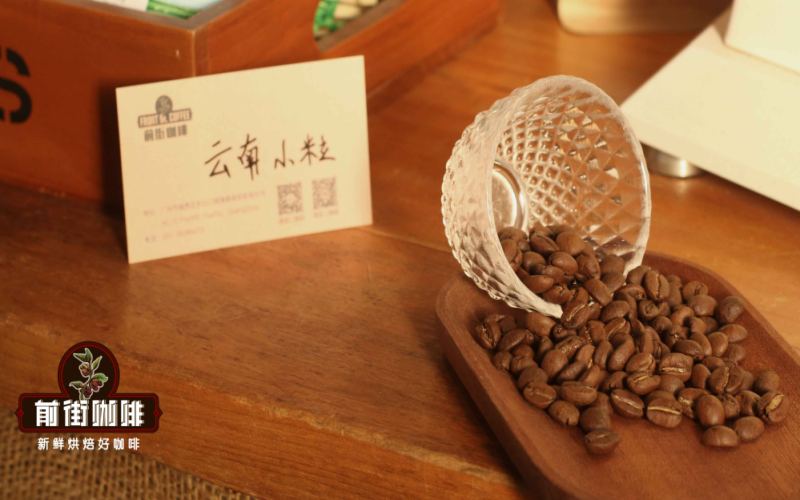
Yunnan small-bean coffee: a reputation controversy analyzed—regional characteristics, flavor performance, and buying advice
As a representative coffee-producing region in China, Yunnan has attracted much attention in the coffee world in recent years. However, many people do not think highly of Yunnan small-bean coffee, believing it is hard to associate it with specialty coffee. Behind this are not only natural constraints such as altitude and variety, but also a close relationship with its historical development path. This article will systematically sort out the flavor characteristics of Yunnan coffee and its main processing methods, and provide specific purchasing suggestions for Front Street Coffee in different brewing scenarios such as pour-over, moka pot, and espresso machine, helping coffee lovers form a more rational understanding of the true face of Yunnan coffee. [more…]
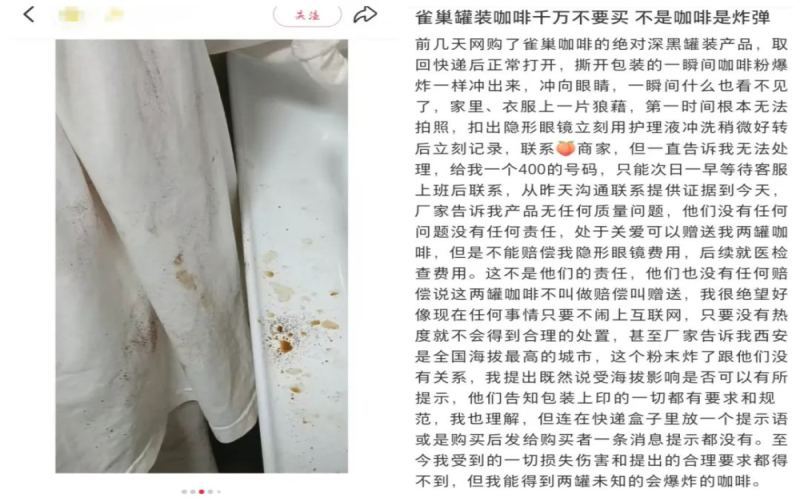
Nescafe Canned Coffee Powder Sprays and Injures Someone the Moment the Lid Is Opened; Customer Service Claims It Was Caused by Altitude Air Pressure, Sparking Controversy
Recently, a consumer in Xi'an posted on social media that when opening a canned Nescafé Absolute Black coffee powder purchased on an e-commerce platform, the coffee powder burst out explosively, leaving a mess on their face, clothes, and floor, and causing a wound near their nose. After contacting the seller and manufacturer, the company explained it away as being due to altitude and air pressure, and was only willing to gift two cans of coffee powder, refusing to compensate for contact lenses or medical expenses. The incident sparked heated discussion online, with many questioning the customer service explanation and noting that brands such as illy have also had similar occurrences. Front Street Coffee has noted that the lack of safety warnings on canned coffee powder deserves industry attention. [more…]
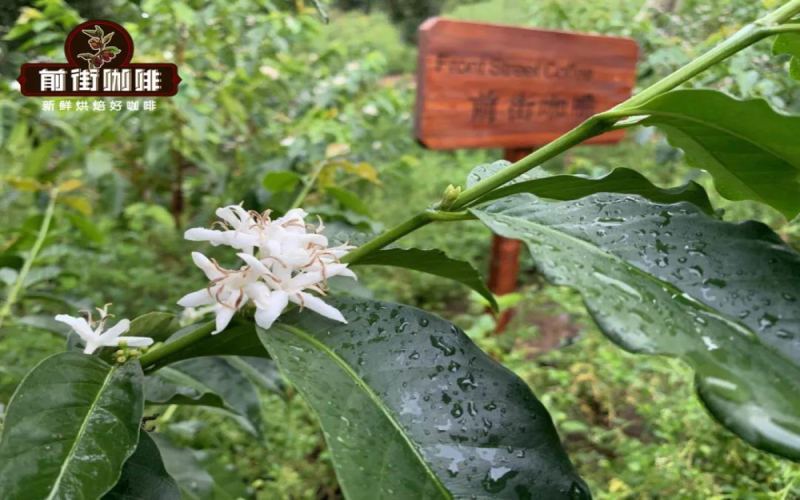
Analysis of the Differences Between Yunnan Coffee Typica and Catimor Varieties: The Reasons Behind the Flavor Controversy of Catimor and a Brewing Guide
In Yunnan's coffee industry, Typica and Catimor are two varieties with vastly different fates. As the oldest derivative of Arabica, Typica has a clean and elegant flavor but is frail and disease-prone; Catimor, having incorporated Robusta genes, is disease-resistant and high-yielding, yet carries controversy over its flavor. Front Street Coffee established an estate in Lincang, insisting on growing Typica, all to present the most authentic charm of Yunnan coffee. This article will delve into the historical origins, flavor differences, and current cultivation status of the two varieties, and provide a detailed interpretation of the characteristics of Yunnan's main producing regions and the impact of washed and natural processing methods on flavor. Finally, it will share the brewing parameters and tasting notes of Front Street 2013 Natural Typica, taking you on a comprehensive journey through the past and present of Yunnan coffee. [more…]
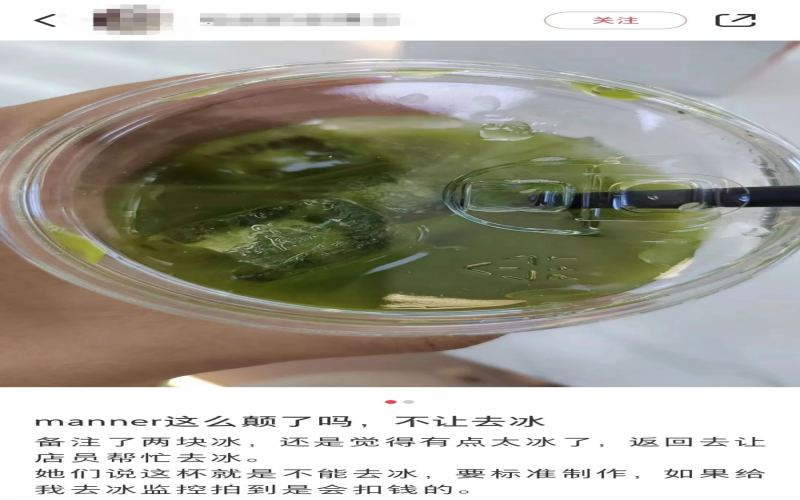
Behind the Refusal to Serve Iced Drinks Without Ice: Standardized Control at Coffee Chains and the Dilemma of Baristas
On a scorching summer day, iced drinks become the top sellers at beverage shops everywhere, yet the debate over "can you order it without ice" never dies down. A customer ordered an iced drink at Manner, noting that they only wanted two ice cubes, but after receiving it still found the temperature too low and asked the staff to remove the ice, only to be refused. The staff member helplessly explained that iced drinks must be made according to the standard ratio, and that removing ice without authorization would result in a pay deduction if caught on camera. Similar situations have occurred at Starbucks. Why are chain brands so "particular" about the amount of ice? And how should baristas choose between customer needs and company rules? This article will guide you through the industry logic behind the controversy over removing ice from iced drinks. [more…]
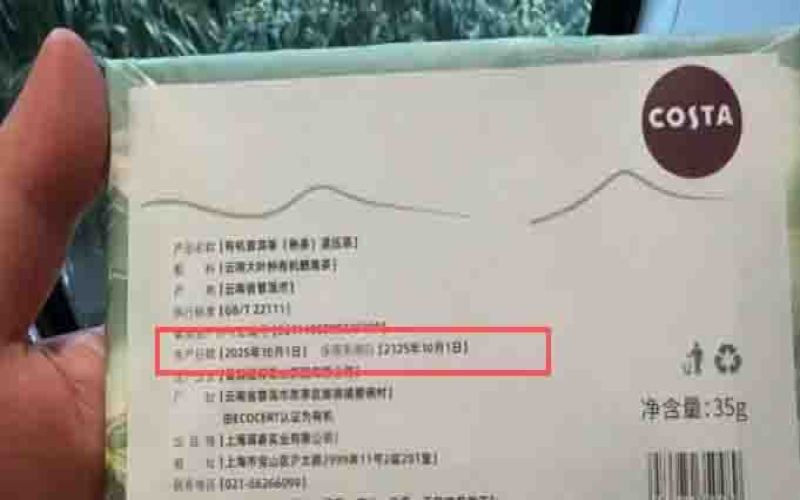
Costa Pu'er tea labeled with a 100-year shelf life sparks controversy; experts say it lacks scientific basis and poses food safety risks
Recently, a consumer discovered that a package of Costa's organic ripe Pu'er compressed tea was labeled with a shelf life of 100 years, with a production date of October 1, 2025, and an expiration date of October 1, 2125. This bizarre labeling quickly sparked questions: was it a printing error, or can tea cakes really be stored for a century? Customer service responded that "the older the tea, the more fragrant it is," but experts and lawyers both pointed out that the national standard for Pu'er tea only states "suitable for long-term storage," with no fixed number of years. A 100-year shelf life can neither be scientifically verified nor is it free from hidden food safety risks such as mold. At the same time, some e-commerce platforms still sell Costa Pu'er tea with a shelf life labeled as 9,999 days, which works out to more than 27 years. As coffee enthusiasts, Front Street Coffee also reminds you to pay attention to the compliance and scientific validity of beverage shelf-life labeling. [more…]

Luckin's dark chocolate turning cement gray sparks quality control doubts, Year of the Dragon Moutai collaboration debuts at the same time
Recently, Luckin Coffee has once again become a hot topic on social media due to the abnormal appearance of a dark chocolate drink. Some consumers reported that the dark chocolate they ordered for delivery arrived looking like cement gray, and the taste was also disappointing. Netizens have been speculating about the reasons, ranging from insufficient ingredient proportions to operational mistakes by new staff, and even the suspected mistaken use of cappuccino Frappuccino powder. Meanwhile, within less than half a year, Luckin Coffee has once again partnered with Moutai to launch a Year of the Dragon sauce-flavored chocolate latte, sending the topic's popularity soaring. With quality control controversies and co-branded marketing running in parallel, Luckin Coffee's brand management capabilities are facing a test. [more…]

The Milk Foam Thickness Standard for Flat White and the Latte Art Controversy: The Crafting Logic Behind 0.3 to 0.5 Centimeters
How thick should the milk foam in a flat white really be? Why do some cafés not do latte art when serving a flat white? Behind this lies the historical origins of the flat white and the different brewing philosophies across countries. This article will take you through the evolution of the Flat White from its birth to its global popularity, analyze the differences between New Zealand and Australia in defining the flat white, and explain why thin microfoam is the key feature that distinguishes a flat white from a latte or cappuccino. At the same time, we will also explore the technical conflict between latte art and thin microfoam, and share Front Street Coffee's actual parameters and bean selection approach for making a flat white. [more…]
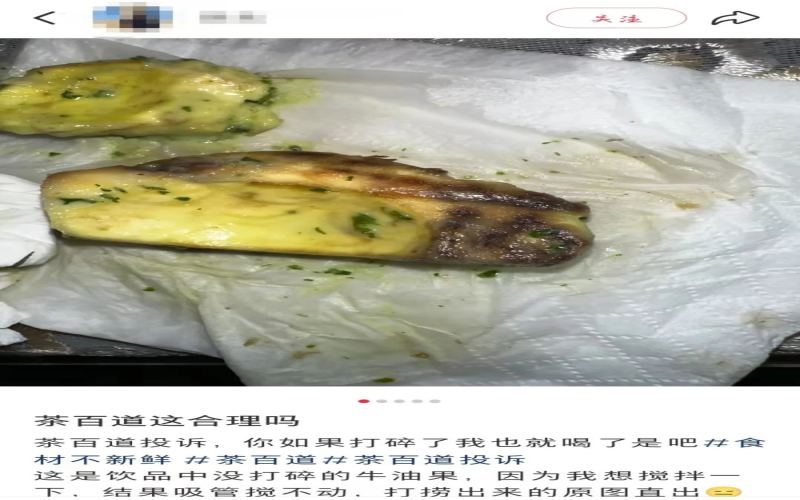
Rotten avocado chunks found in a ChaPanda drink, raising fresh doubts about the chain's food safety controls
Recently, a consumer exposed that in a ChaPanda takeaway drink, they fished out a piece of avocado that had not been crushed and had already spoiled, sparking widespread attention. The drink involved was from ChaPanda's previously launched fruit and vegetable smoothie series, which in principle should not contain obvious fruit pulp residue. After the incident was exposed, many ChaPanda employees and netizens spoke out, directly pointing to serious dereliction of duty in store operations. At present, the customer has received a full refund and platform compensation, and ChaPanda has also proactively apologized and discussed compensation. This controversy has once again pushed the issues of ingredient quality control and employee operating standards at chain tea beverage brands into the spotlight. [more…]
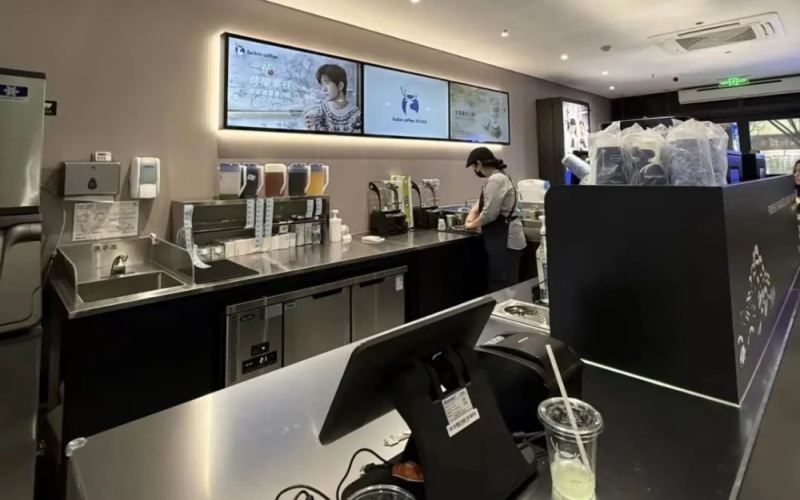
Luckin Coffee's hygiene inspection standards spark heated debate: employees complain about strict details, how difficult is it to clean the work area?
Luckin Coffee is known for its tidy stores, but recently many employees have spoken out on social media, reporting that quality control inspection standards are overly meticulous, with strict deductions even for hard-to-reach corners such as pipes along walls and dust on chandeliers. From rusted screws on paper towel dispensers to loose threads on aprons, the tediousness of the inspection items has sparked complaints from workers, who bluntly say they are expected to "clean the prep area like an operating room." This article will sort out the focal points of the controversy over Luckin's hygiene inspections, explore whether, under existing store decoration conditions, the requirement of spotlessness is realistic, and present employees' complex attitudes toward food hygiene inspections. [more…]
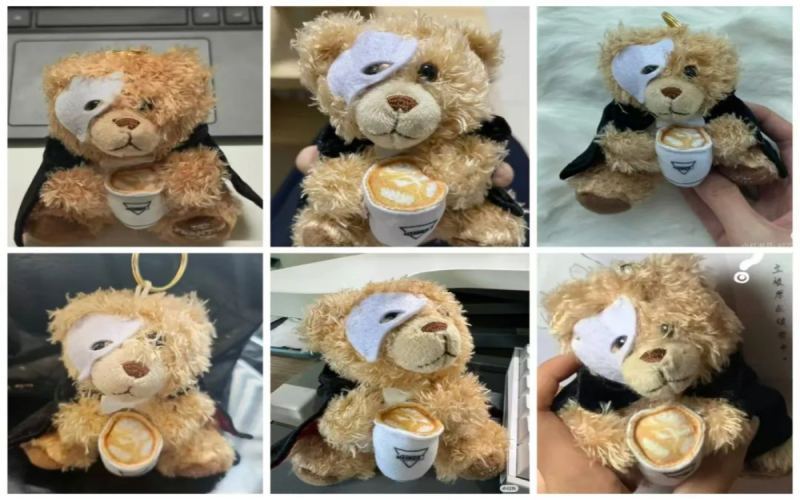
Manner's 《The Phantom of the Opera》 Phantom Bear collaboration faces quality control complaints, with crooked faces and slanted mouths mocked as "unknown creatures"
The limited-edition Phantom Bear merchandise, a collaboration between coffee chain Manner and the English original production of The Phantom of the Opera, has recently sparked a flood of complaints on social media. After receiving the actual product, many users found that the bear, which was supposed to be cute, suffered from serious quality control issues such as a crooked mouth and lopsided face, and was jokingly dubbed an "unidentified creature." Since the merchandise could only be redeemed with points, many theater fans and coffee lovers went through considerable trouble to get their hands on it, only to be greatly disappointed—some even bluntly demanded returns and the refund of their points. This article will sort out the ins and outs of the incident, presenting user feedback and the quality control controversy surrounding the brand's collaborative merchandise. [more…]
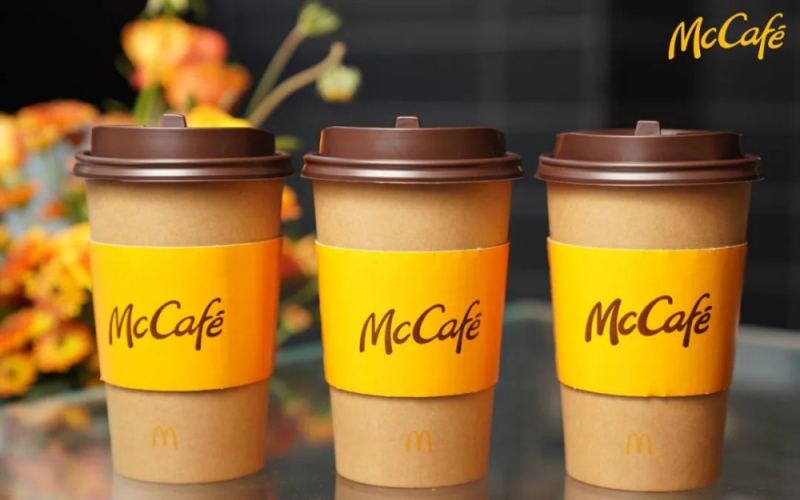
McDonald's McCafé operating procedures under scrutiny: grounds not weighed, portafilter baskets not cleaned, quality control standards spark debate
Since McDonald's coffee brand McCafé announced increased investment in the Chinese market, its number of stores has surpassed 3,200. Its "store-within-a-store" model is equipped with semi-automatic espresso machines and dedicated baristas, focusing on a specialty coffee approach. However, recently a netizen posted pointing out that baristas at some McCafé locations operate in a highly non-standard manner: dosing the portafilter in advance, not weighing the dose, not tamping, not cleaning the steam wand, and repeatedly extracting with wet spent grounds left in the basket. Although the prices are not low, the quality of the output has raised consumer doubts. At the same time, some netizens claiming to be McCafé baristas responded that the brand has unified standards, and isolated incidents should not represent the whole. This controversy reflects the quality control and training challenges McCafé faces amid rapid expansion, and is worth the attention of coffee enthusiasts. [more…]